
A spinal fusion procedure is a surgery to permanently join two bones together so there is no longer movement between them. We offer minimally invasive spinal fusion procedures that typically result in scars no more than 3 centimeters long.
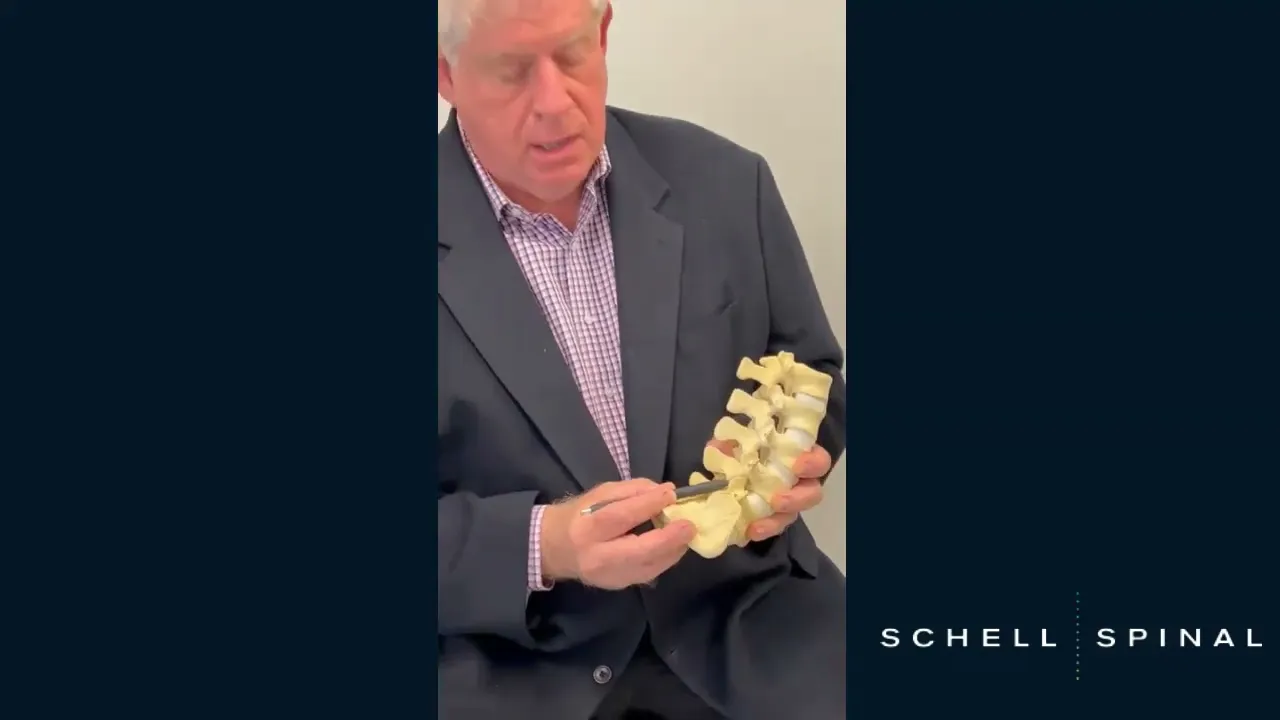

Those suffering from stability issues, deformities, or pain are prime candidates for the procedure. Here’s a closer look at medical conditions that might call for spinal fusion:
To determine whether a spinal fusion will help a patient’s condition, a medical consultation with a spinal surgeon is necessary. A thorough history of the condition will be gathered. A physical exam and neurological exam will be completed to determine if there is any neurological damage. Imaging studies that may include a CT or MRI are also need to determine the appropriate diagnosis and form of treatment.
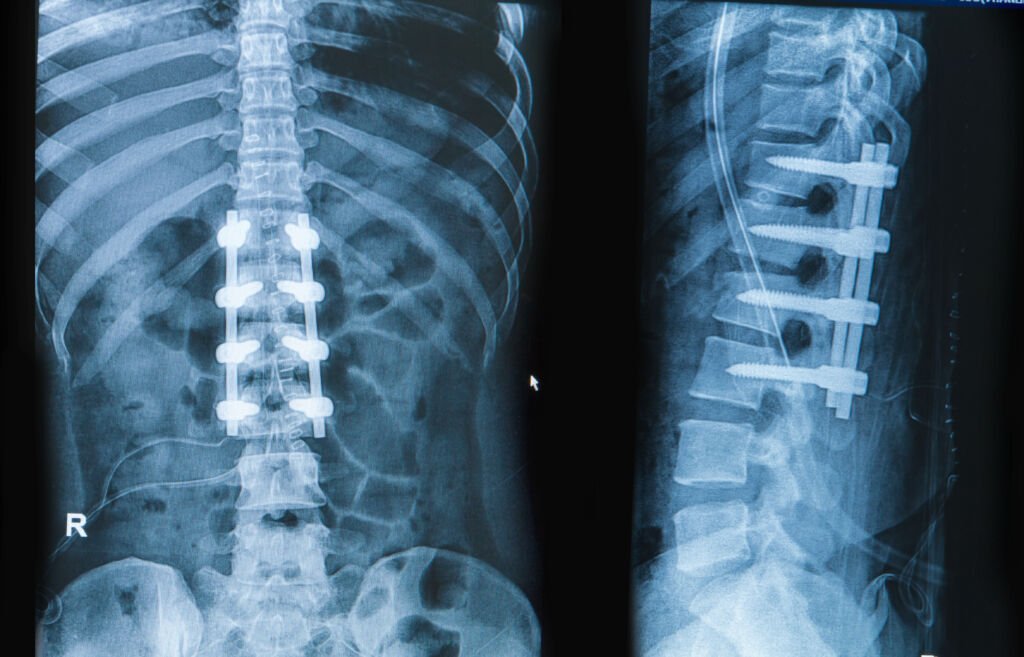
Patients undergoing spinal fusion surgery will be under general anesthesia. Depending on the location of pain and the finding on the imaging doctors may opt for one of the following:
Here’s what to expect:
Many of these procedures can be doen outpatient, meaning that the patient will go home the same day of surgery. If the procedure is not outpatient, a patient will need to stay at the hospital for a few days for observation.
Pain might occur but can be easily managed with medication. If you exhibit the following signs upon returning home, contact your doctor:
As it can take 6months to a year for bones to completely fuse use together, your doctor might recommend using a brace. You might also require physical therapy to move efficiently and properly.
Although spinal fusion is a relatively safe procedure, it still carries the following risks:
Professional spinal care and pain care experts are standing by to assist you. If we are not able to answer your question without an on-site appointment, we can schedule one for you.
